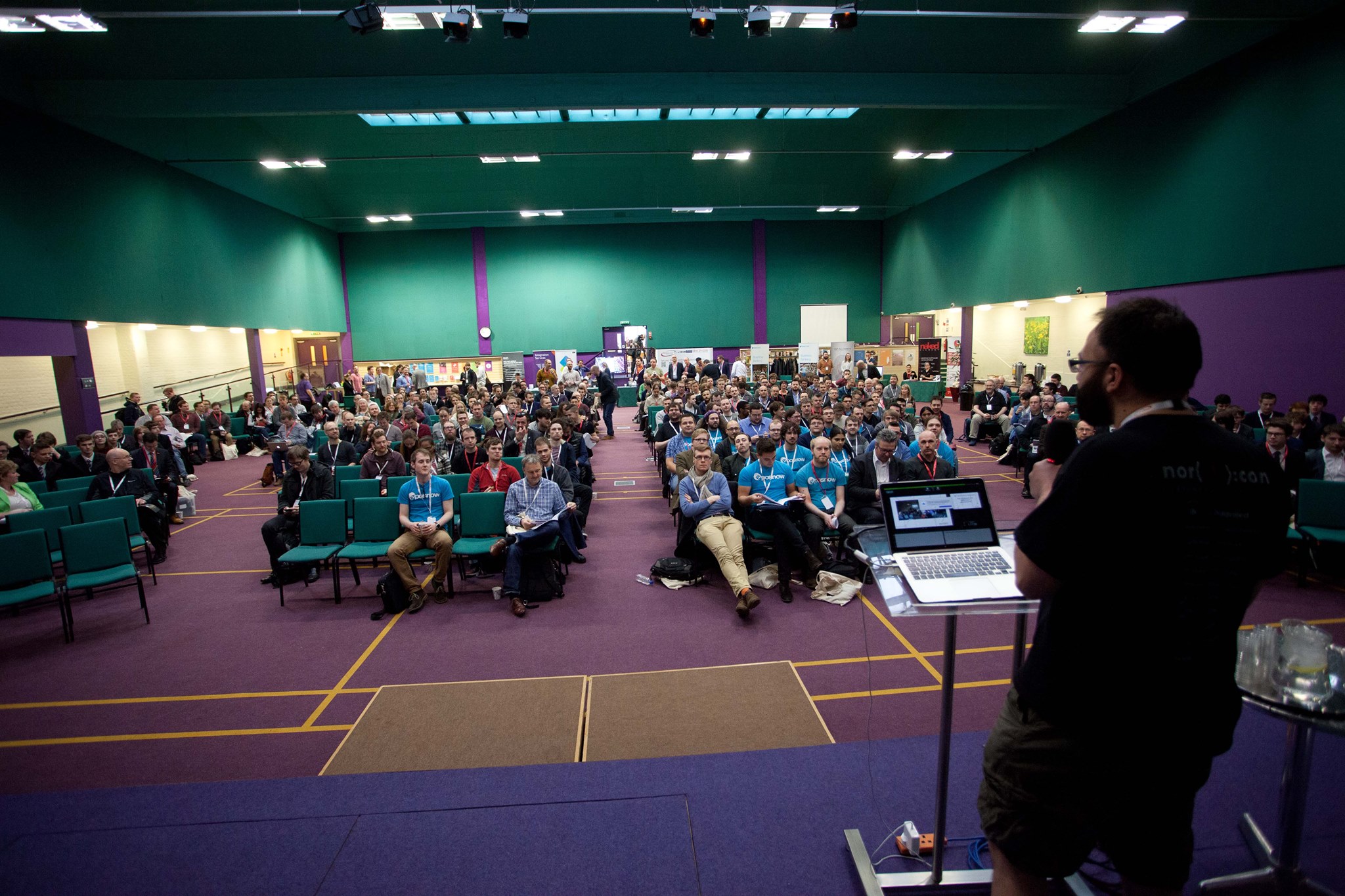

I was delighted to be asked to be a last minute speaker at C++ London, even though I haven’t used C++ in anger for more than two decades. So, I was very relieved my Zero to Deployed talk went down well.
The meetup was held at Maven Securities, which have lovely, spacious offices right next to Liverpool Street station, so it was really easy for me to get too.
As well as about one hundred other faces, there were we a few familiar ones from my C++ days, including Phil Nash who was also speaking about testing in the age of AI, another non-C++ talk.
Phil Nash argued that code written by LLMs needs testing just as much as code written by humans, and that LLMs can write tests for their own code, provided they are given appropriate guidance. LLMs can follow Test-Driven Development (TDD), but simply telling them to use TDD isn't enough. They need to understand the process: start with a failing test, write only enough code to make it pass, and then refactor, paying particular attention to separation of concerns. They also need explicit guidance on good testing practices, including meaningful test names, single assertions, minimal cyclomatic complexity, and fast, repeatable unit tests. Testing shouldn't stop at unit tests, but should also include property-based, integration, system and performance testing.

Phil also recommended mutation testing to assess how effectively tests detect defects by deliberately introducing errors into the code and checking whether the tests catch them. This can be done manually as part of the development process or through a mutation testing framework. Finally, he emphasised the importance of remaining hands-on when using LLMs. Engineers should still write tests themselves, but can use LLMs to expand test coverage, generate repetitive or boilerplate code, and implement the changes needed to make tests pass. The underlying message was that LLMs can support good software engineering practices, but engineers must teach them those practices rather than assume they already follow them.

It was a great meetup and I hope they’ll have me back.
I’m back next week for ACCU London.
28 October 2026